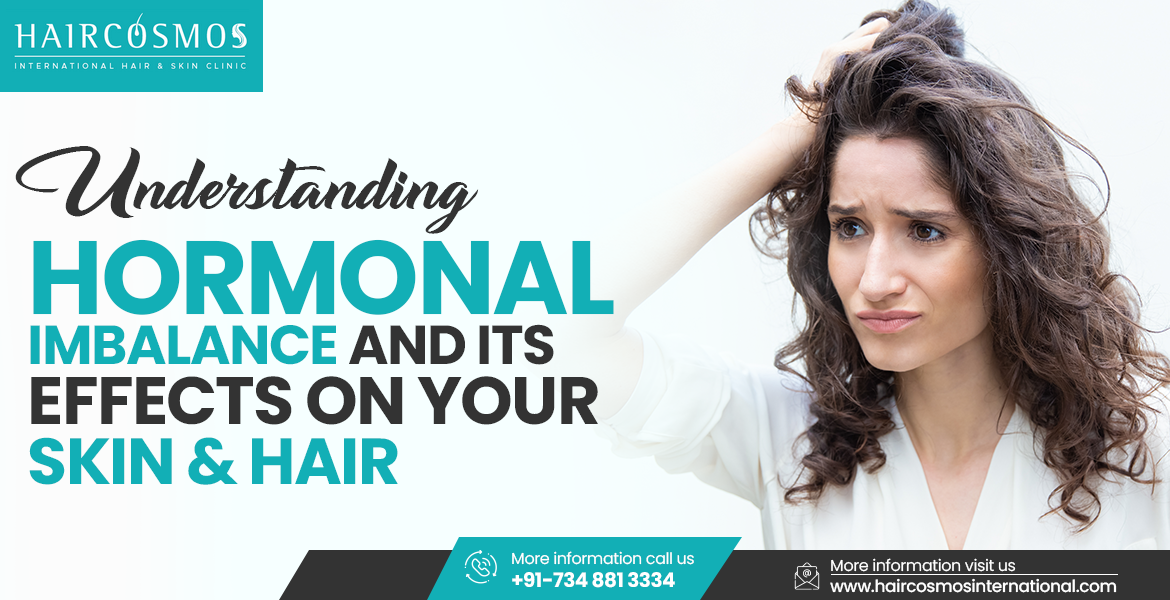
Strong chemical messengers, hormones control nearly every important bodily function, including metabolism, mood, reproduction, skin health, and hair growth. Visible changes, particularly on the skin and hair, can result from even a little hormone imbalance. These changes are frequently the first signs that there is some internal disbalance within your body
Hormonal imbalance has become more prevalent in today’s fast-paced lifestyle because of stress, sleep deprivation, dietary changes, environmental contaminants, illnesses, and life phases including menopause, pregnancy, and puberty. To successfully manage these changes, you must first understand how hormones impact your skin and hair.
In this blog let us understand more about hormonal imbalance, its typical causes, how it affects the health of your skin and hair, and how to get it back into balance.
Hormonal Imbalance: What Is It?
When one or more hormones are present in the bloodstream in excess or insufficient amounts, a hormonal imbalance results. Hormones operate in a delicate equilibrium, so even slight changes can have a significant impact on the body.
Important hormones that affect the health of skin and hair include:
- Androgens, including testosterone
- Oestrogen
- Progesterone
- Hormones related to the thyroid
- The stress hormone cortisol
- Insulin
Any of these imbalances can interfere with the health of the scalp, hair growth cycles, oil production, and skin rejuvenation.
Common Reasons for Hormonal Imbalance
People of all ages and genders are susceptible to hormonal imbalance. Among the most common reasons are:
1. Persistent Stress: Chronic stress raises cortisol levels, which can suppress other vital hormones and cause accelerated aging, acne breakouts, and hair thinning.
2. Nutritional deficiencies and poor diet: Diets heavy in processed foods, sugar, and refined carbs can throw off the insulin balance, which can have an indirect impact on skin oil production and androgen levels.
3. Thyroid Conditions: Skin moisture levels, hair density, and texture can all be greatly impacted by hypothyroidism and hyperthyroidism.
4. PCOS, or polycystic ovary syndrome: Acne, abundant facial hair, and thinning scalp hair are prominent symptoms of PCOS, a common hormonal disorder in women that raises androgen levels.
5. Hormonal Changes and Life Stages: Natural hormonal changes that often affect the skin and hair occur throughout puberty, pregnancy, postpartum, and menopause.
6. Drugs and Medical Interventions: Oral contraceptives, steroids, and fertility treatments are among the drugs that can modify hormone levels and cause noticeable changes to the skin and hair.
The Effects of Hormonal Imbalance on Your Skin
Because hormones control oil glands, collagen synthesis, pigmentation, and skin cell turnover, the skin is extremely susceptible to hormonal fluctuations.
1. Breakouts and Acne: Excess androgens cause sebaceous glands to generate more oil, which clogs pores and causes chronic acne, particularly on the cheeks, chin, and jawline.
2. Excessive Dryness or Oiliness: Hormonal changes can result in abnormally dry or oily skin, which is frequently challenging to treat with standard skincare products.
3. Melasma and hyperpigmentation: Dark spots on the skin can result from hormonal changes that boost melanin production, especially during pregnancy or when using contraceptives.
4. Early Aging: Low estrogen levels cause wrinkles, fine lines, and a loss of firmness in the skin by reducing the formation of collagen and elastin.
5. Enhanced Sensitivity: A hormonal imbalance can decrease the skin’s barrier, increasing the skin’s reactivity and making it more prone to inflammation, redness, and irritation.
How Your Hair Is Affected by Hormonal Imbalance
Hormones play a major role in the controlled cycle of hair growth. Hair density, texture, and growth rate can all be impacted by any disturbance.
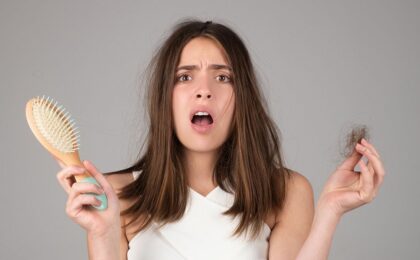
1. Hair Loss and Thinning: Thyroid problems or elevated androgens can decrease the hair development phase, resulting in noticeable thinning and severe hair loss, particularly on the scalp crown.
2. Excess body or facial hair: Unwanted hair growth on the face, chest, or belly may result from elevated androgen levels in disorders like PCOS.
3. Modifications to the Texture of Hair: Due to changed oil production and nutrient delivery to hair follicles, hormonal imbalances can cause dry, brittle, frizzy, or abnormally coarse hair.
4. Hair Loss After Childbirth: Many hair follicles enter the shedding phase after childbirth due to a dramatic decline in estrogen levels. Although usually transient, this condition can be upsetting.
5. Reduced hair Growth: Hair development can be slowed and overall hair volume reduced by nutritional deficits and thyroid imbalances.
Symptoms of a Possible Hormonal Imbalance
A hormonal problem may be the cause if several symptoms coexist. Some of the common symptoms include:
- Acne that doesn’t go away despite therapy
- Abrupt hair loss or thinning
- Loss of scalp hair or excess facial hair
- Menstrual periods that are irregular
- Changes in weight that are not explained
- Mood swings and exhaustion
- Changes in the texture of dry skin or hair
Hormonal Imbalance Diagnosis
A detailed and through diagnosis entails:
- A thorough medical history
- Hormone level measurements using blood tests
- Tests for thyroid function
- Imaging or ultrasound under certain circumstances
- Early diagnosis enables focused therapy and avoids long-term issues.
Taking Care of Hormonal Imbalance to Improve Skin and Hair
1. A Well-Balanced Diet: Hormone synthesis and skin regeneration are supported by a diet high in fiber, protein, healthy fats, vitamins, and minerals.
2. Handling Stress: Yoga, meditation, and getting enough sleep are some of the good to known practices that help control cortisol and stress hormones and enhance hormonal balance.
3. Medical Care: Doctors may recommend insulin-regulating medications, thyroid medicine, or hormonal therapy, depending on the root cause of hormonal imbalance.
4. Regular Hair and Skincare: Hormonally sensitive skin and hair can be protected by using soft, non-comedogenic products and avoiding harsh treatments.
5. Expert Advice: Gynecologists, endocrinologists, and dermatologists can collaborate to develop a comprehensive treatment strategy.
When to Get Expert Assistance
It’s crucial to see a healthcare provider if skin and hair problems don’t go away despite lifestyle modifications and topical treatments. Treating outward symptoms alone, without treating the underlying hormonal reason, frequently results in short-term or insufficient outcomes.
When to Get Expert Assistance
It’s crucial to see a healthcare provider if skin and hair problems don’t go away despite lifestyle modifications and topical treatments. Treating outward symptoms alone, without treating the underlying hormonal reason, frequently results in short-term or insufficient outcomes.
One of Bengaluru’s fastest-growing cosmetic hair and skin specialists, Dr. Saima Khan is renowned for his cutting-edge diagnostic and therapeutic approaches. She is renowned for her cutting-edge services, which range from non-surgical skin and hair restoration to complete medical care, regenerative techniques, and state-of-the-art cosmetic procedures. In order to treat both the medical and cosmetic aspects of hair and skin issues, Dr. Khan’s concept is on combining multidisciplinary knowledge, such as dermatology, trichology, and metabolic health, into a single platform.
Haircosmos International provides a thorough, scientifically supported method for treating hormonal imbalance-related skin and hair issues. The clinic concentrates on finding the underlying cause rather than only treating outward symptoms, using skilled dermatologists and individualized treatment regimens. Cosmos Hair & Skin Clinic ensures long-term, sustainable outcomes under professional care by integrating cutting-edge diagnostics, medical therapies, and customized skincare and haircare products to help restore hormonal balance, improve skin clarity, and encourage healthier, stronger hair.
Haircosmos International has established a solid reputation for providing natural, long-lasting results using a combination of technology and clinical quality thanks to its patient-centric, research-driven approach.
Conclusion:
A complicated but treatable issue is hormonal imbalance. Long before other symptoms manifest, your skin and hair can serve as outward indicators of interior changes. Knowing these symptoms gives you the ability to seek prompt medical attention, modify your lifestyle, and apply treatments that target the underlying cause rather than just the symptoms.
Restoring hormonal balance and regaining strong, vivid hair and healthy, glowing skin is feasible with the correct medical advice, diet, and self-care.
FAQs:
Q1) Can hormonal imbalance really cause hair loss and acne?
Indeed. Acne, thinning hair, excessive hair loss, and texture changes can result from hormonal imbalances that interfere with oil production, hair development cycles, and skin cell turnover.
Q2) How does Cosmos Hair & Skin Clinic diagnose hormonal-related skin and hair issues?
Before formulating a treatment plan, the clinic examines underlying hormonal causes using a thorough clinical evaluation, relevant blood tests, and medical history.
Q3) Can hormonal imbalance-related hair loss be prevented?
Yes, in a lot of situations. With the right medical and supportive care, hair loss can be minimized and regrowth can happen after the underlying hormonal imbalance is found and addressed.
Q4) 4. How long does it take for skin and hair to improve after treatment?
Significant skin and hair recovery may take three to six months, depending on the specific problem and treatment regimen, but noticeable improvement usually starts within a few weeks.
Q5) Is long-term medicine necessary for hormonal skin and hair treatments?
Not all the time. The length of treatment varies according to the intensity and cause. Short-term medical care along with lifestyle and skincare changes are beneficial for many patients.