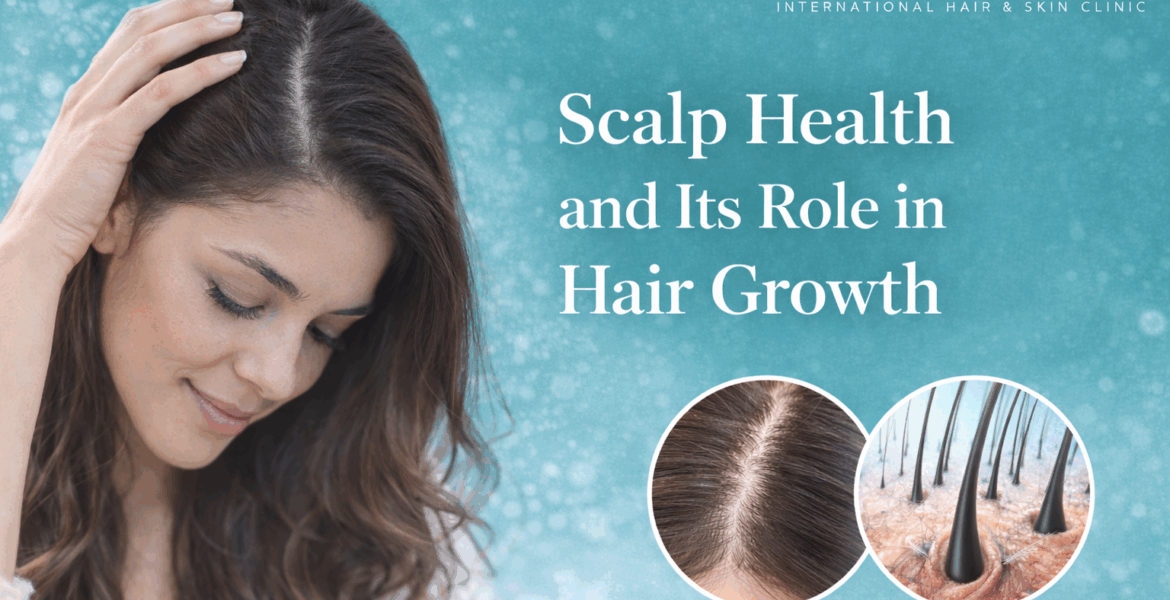
Hair health is often linked to what’s happening at the surface – the scalp!
Experiencing excess hair fall, thinning, or slower growth has become extremely common nowadays. This makes most of us try external products or treatments and ignore what really matters: your scalp health. Ensuring the condition of your scalp is just as important.
The scalp forms the base where hair grows. A healthy scalp refers to the overall condition of the skin on your head where hair grows. It is considered healthy when clean, well-balanced, and free from issues, such as excessive oil, dryness, irritation, or buildup.
But keeping it clean is not the only thing to ensure; providing your scalp with the right condition is also important so your hair can grow consistently and healthily.
In this blog guide, we will discuss the connection between scalp health and hair growth so you can address hair concerns more effectively.
Why Is Scalp Health Important for Hair Growth?
Maintaining scalp health is essential for healthy hair growth, as hair growth begins at the scalp roots. A balanced scalp supports hair follicles and allows hair to grow more effectively. In contrast, a scalp with issues such as dandruff, clogged pores, or inflammation can disrupt the scalp’s environment and affect hair quality over time.
Common Scalp Problems That Affect Hair Growth
Let’s dive a little deeper and understand the common scalp problems that can affect hair growth:
Dandruff and Flaking
Dandruff or scalp flaking can lead to itching and irritation. This often weakens the scalp environment and affects hair growth over time.
Excess Oil
Also known as sebum buildup, too much oil buildup can clog hair follicles. This makes it harder for hair to grow properly and also increases the risk of hair fall.
Dry and Irritated Scalp
A dehydrated scalp can cause dryness, itching, and scalp sensitivity, disrupting the natural balance essential to healthy hair growth.
Scalp Infections
Fungal or bacterial infections can damage hair follicles. If ignored or left untreated, this may lead to hair thinning or patchy hair loss.
Product Buildup
Using styling products or cleansing products excessively may lead to scalp buildup, block pores, and affect hair growth.
Signs of an Unhealthy Scalp
Identifying an unhealthy scalp is crucial to avoiding problems later. A few common signs include:
- If there is persistent itching or irritation.
- If you have visible flakes or dandruff.
- If you have excess oiliness or scalp dryness.
- If there is redness or sensitivity on the scalp.
- You have frequent hair fall or thinning.
- If you have scalp pain or discomfort.
- If there is product buildup or clogged pores.
How to Improve Scalp Health?
A few ways to improve scalp health:
- Regular, proper scalp cleaning is non-negotiable. It is crucial to remove oil, dirt, and product buildup that can clog hair follicles.
- Using products that match your scalp condition is important to maintain the balance needed. Products with harsh chemicals can cause dryness or irritation.
- A gentle scalp massage can help improve blood flow, supporting better nutrient supply to hair follicles and promoting a healthy scalp.
- What you eat and drink also influences the health of your scalp. Eating a nutrient-rich diet, along with proper hydration, can support scalp health from within. This results in better hair growth.
- Avoid excessive use of heat-styling tools or chemical treatments, as overuse can damage the scalp over time.
Professional Treatments for Scalp Health
Undoubtedly, regular basic hair care can help address ongoing scalp concerns. However, persistent issues such as dandruff, excessive hair fall, or scalp conditions often require professional evaluation and treatment.
It is best to consult a qualified dermatologist for recommendations on medicated shampoos, topical treatments, or specialized scalp therapies tailored to your scalp condition. Professional treatments such as deep scalp cleansing, anti-dandruff therapies, or procedures might be suggested.
A professional evaluation is essential to ensure that all underlying causes are promptly identified and treated effectively.
When Should You Consult a Specialist?
You must visit a specialist when:
- Scalp concerns continue to rise or worsen despite regular hair care.
- You are experiencing persistent dandruff, excessive hair fall, itching, or visible irritation.
- If there is a sudden change in hair thickness, patchy hair loss, or ongoing discomfort in the scalp.
It is advisable not to ignore any underlying signs and to delay evaluation. Early diagnosis can help identify the case and prevent the condition from progressing.
Conclusion
Maintaining scalp health is essential for strong and healthy hair growth. It is not about focusing solely on external hair care, as that alone may not be enough, especially if the scalp condition is unbalanced.
The key is to understand and monitor scalp issues and to take the right steps at the right time. Following regular hair care and periodic visits to a specialist makes it easier to support long-term hair growth and health.
If you are experiencing scalp-related problems, do not delay any longer; book your consultation now with the experts at Haircosmos International. We can help you prevent further damage and improve your hair’s overall quality over time.
Frequently Asked Questions
- Can poor scalp health cause hair fall?
Yes. Scalp issues such as dandruff, buildup, or inflammation can weaken hair roots and disrupt the hair growth cycle, eventually leading to hair fall.
- How often should I wash my scalp?
While it depends on your scalp type, 2-3 times a week is recommended. This frequency helps keep the scalp clean without causing dryness.
- Is dandruff linked to hair loss?
Not. Dandruff alone may not directly cause hair loss. However, chronic dandruff-induced itching and inflammation can weaken hair roots, leading to hair shedding.
- Can scalp treatments improve hair growth?
Yes, targeted scalp treatments can help restore balance, improve circulation, and create a better environment for hair growth.
- What foods support scalp health?
Eating a well-balanced diet that includes vitamins, protein, and healthy fats supports scalp health and contributes to stronger hair growth.